
What to Wear in Singapore in September? Weather Guide 2026
This article contains promotional links.
Singapore stays in the 23–32°C range throughout September, with no significant seasonal temperature swing across the year. At the same time, July through October is the period when haze from land-clearing fires in Indonesia is most likely to appear, and the 2026 Haze Outlook has been raised to “Red”. Alongside your outfit choices, it’s worth setting up a way to check local air quality once you land.
How Hot Is Singapore in September?
Temperatures sit in the 23–32°C (73–90°F) range, much like every other month of the year.
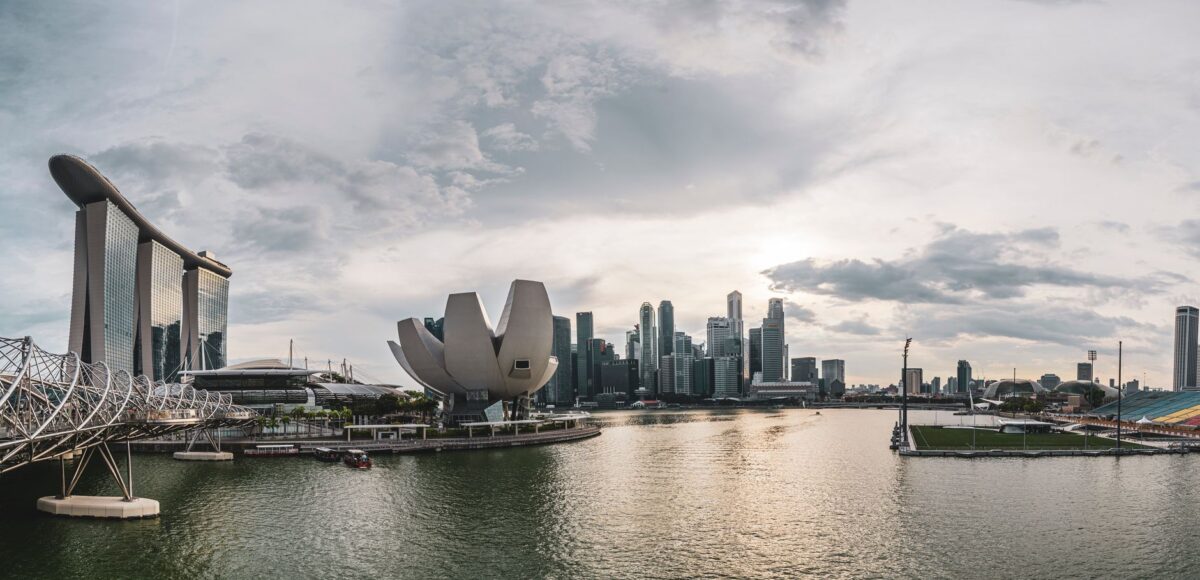
Singapore has a tropical rainforest climate, meaning both temperature and humidity stay fairly constant year-round. There’s no real concept of “seasons” the way many other countries experience them, so September won’t bring any relief from the heat. Humidity stays high and rain is frequent.
Singapore’s wetter season is generally considered to run from November to February, so September falls outside that window. In practical terms, that means September is “not the rainy season, but still a time to be ready for sudden downpours and high humidity.”
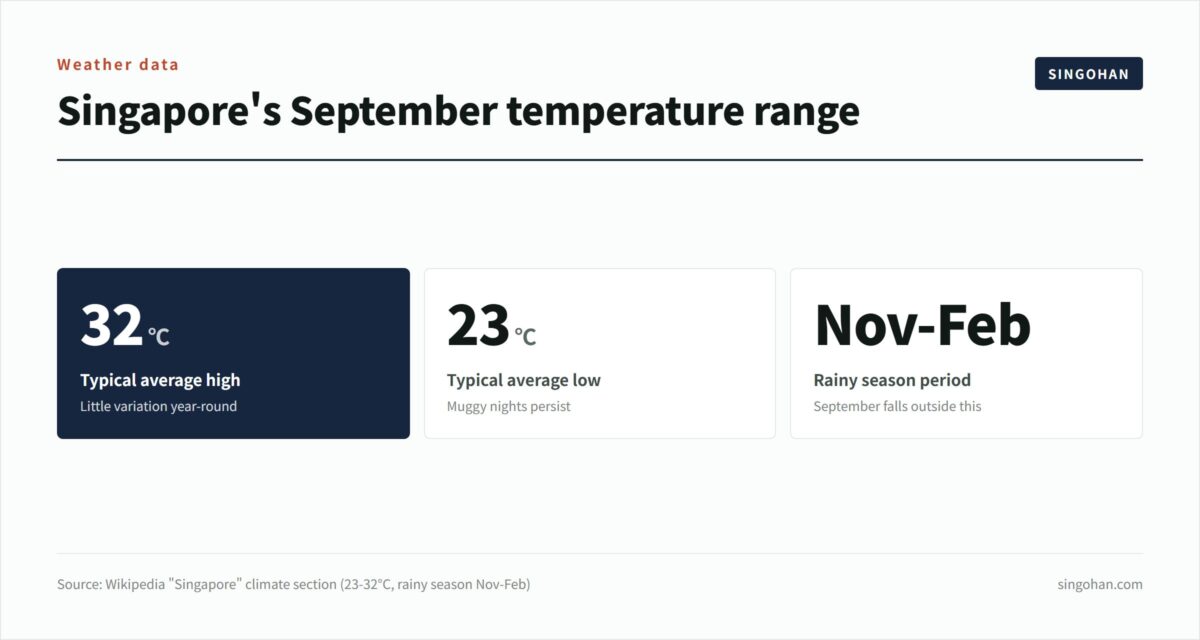
Even after the National Day (NDP) season in August, the quality of the heat itself doesn’t really change. If you want to compare weather patterns across other months, the April guide and May guide are useful references for temperature trends.
Does Haze Happen in Singapore in September?
It can. July through October is the period when haze from land-clearing fires in Indonesia is most likely to occur.
Haze in the region tends to worsen from July to October, and particularly in years affected by El Niño. For 2026, the Singapore Institute of International Affairs rated its annual “Haze Outlook” as “Red.” This is only the second “Red” rating since the assessment began in 2019 — the previous one was in 2023. A returning El Niño along with a possible positive Indian Ocean Dipole are seen as factors that could extend the dry season and raise fire risk.
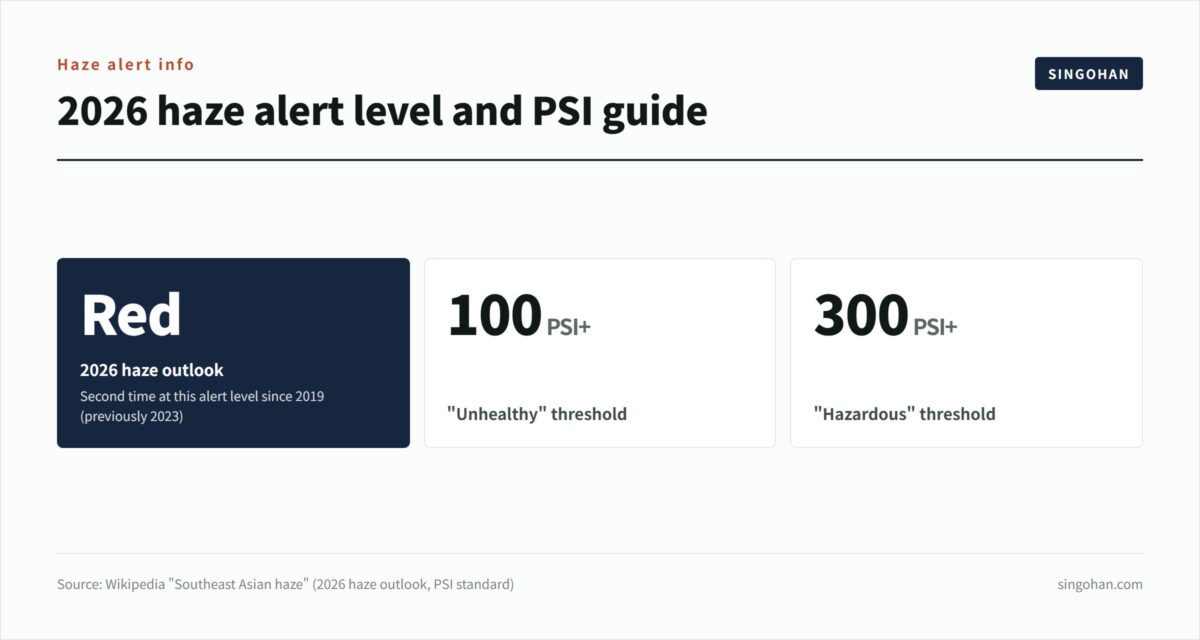
As for the Pollutant Standards Index (PSI), readings above 100 are classified as “unhealthy,” and above 300 as “hazardous”. Keeping these thresholds in mind makes it much easier to adjust outdoor plans on the fly.
When haze becomes severe, it has previously led to flight delays and cancellations. If you’re planning a weekend trip to a neighbouring country departing from Singapore in September, keep in mind that nearby destinations can be affected by the same regional haze — so it’s worth building some flexibility into your schedule.
What Should You Pack for Sudden Showers and Air-Conditioning?
A compact umbrella and a light layer for indoor spaces will cover most situations.
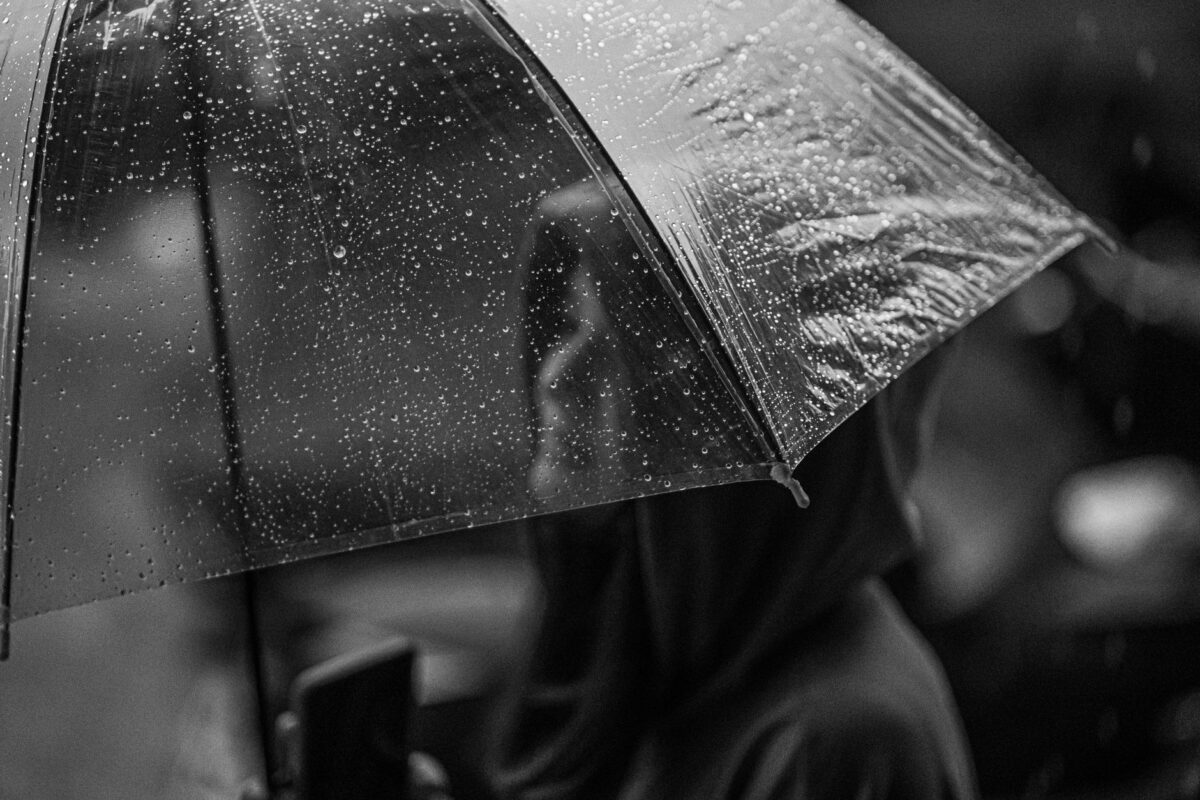
Because Singapore’s climate is humid and rain-prone, sudden downpours can catch you off guard outdoors. Packing quick-dry clothing along with a compact umbrella and a light rain jacket will make getting around much easier.
On the other hand, shopping malls, MRT trains, and hawker centres tend to be heavily air-conditioned, and the temperature swing between indoors and outdoors can leave you feeling chilly. A thin cardigan or scarf in your bag will help you handle that contrast comfortably.
If you’re travelling with children in September, the June school holiday indoor spots guide offers useful pointers on which air-conditioned venues tend to be popular. It’s worth packing a light long-sleeved layer for kids as well as adults.
How Light Can You Dress for a Business Trip?
Short sleeves work fine outdoors, but bring a jacket or cardigan for offices and meeting rooms.
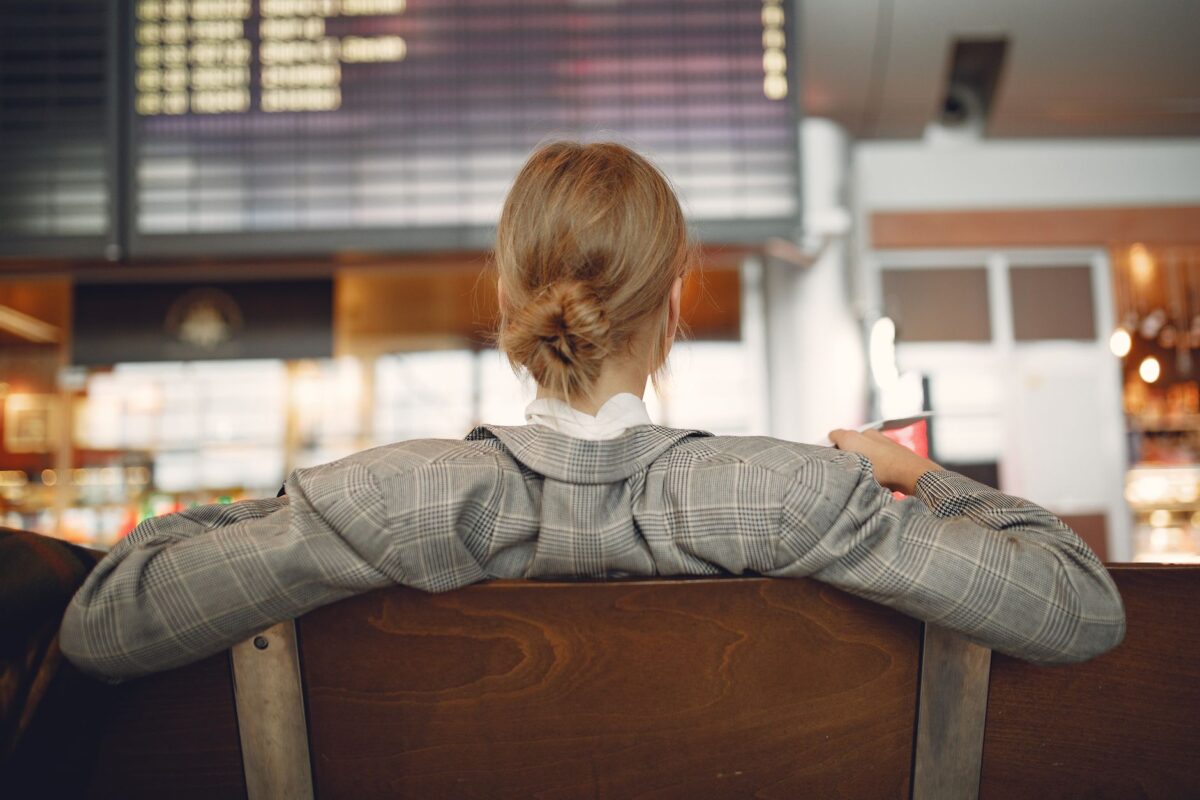
With temperatures holding steady at 23–32°C, short-sleeved shirts or blouses are perfectly fine for getting around outdoors. Local offices, however, are often kept quite cold, so packing a jacket or cardigan in your bag means you won’t be shivering through meetings.
If you’re planning a longer stint of work in Singapore starting in September, the Employment Pass and S Pass guide and the condominium rental and purchase guide are worth reading alongside your travel prep. If you’re concerned about meals while travelling for work, the guide to Japanese food in Singapore is also a useful reference.
Since severe haze years have previously caused flight delays and cancellations, it’s a good idea to build a little slack into your business trip schedule.
How Can You Check the Latest Rain and Haze Conditions on the Ground?
Get connected as soon as you land, and check weather and PSI updates regularly.
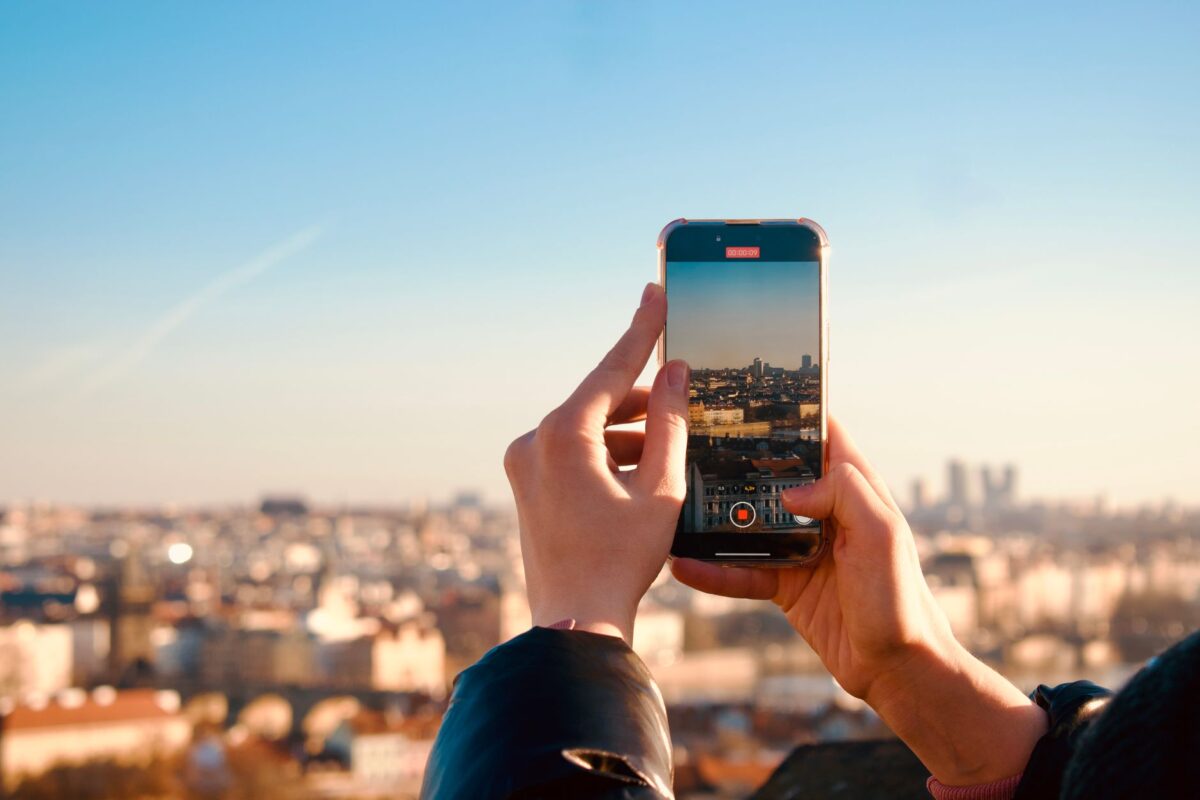
September involves more day-to-day adjusting of outdoor plans around weather and haze conditions. Setting up local mobile data as soon as you arrive means you can check weather apps and public PSI readings on the spot, making it much easier to decide whether to change your outdoor plans.
Using an eSIM like Saily lets you get connected the moment you land, with no need to swap a physical SIM card. Entering the referral code “DOMUEH5022” at checkout applies a discount. Downloading the app and setting up your plan before you leave means you can start checking weather and haze updates the second you’re through the airport.
What’s the September Packing Checklist?
Organise your packing around four categories — sightseeing, business, rain protection, and air-conditioning — and you won’t second-guess what to bring.

| Scenario | Essential items | Notes |
|---|---|---|
| Sightseeing (outdoors) | Short-sleeved quick-dry clothing, hat, sunglasses | Plan around 23–32°C and choose fabrics that dry fast |
| Indoors / air-conditioning | Thin cardigan, scarf | Handy for malls, the MRT, and hawker centres |
| Rain protection | Compact umbrella, rain jacket | Keep on hand for sudden showers |
| Business | Jacket, collared shirt | A light layer for cold offices and meeting rooms |
Alongside packing, it’s worth checking local rules and etiquette before you go so nothing catches you off guard. The complete guide to Singapore’s fines and rules covers everyday points that are easy to miss. If you’d like to compare how to spend other months, the April events, sightseeing, and weather roundup is also worth a look.
Frequently Asked Questions
Do I need long sleeves in September?
Not outdoors, but it’s a good idea to carry a thin layer for air-conditioned indoor spaces.
Should I worry about haze in September?
Haze is more likely between July and October, and the 2026 outlook has been raised to “Red”.
Where can I check PSI levels?
Set up mobile data as soon as you arrive and check publicly available air quality readings regularly.
Is a foldable umbrella enough for rain?
Pairing it with a rain jacket helps for sudden downpours, keeping both you and your belongings dry.
Do I need a jacket for business trips?
Offices tend to be strongly air-conditioned, so packing a jacket or cardigan in your bag is a safe bet.
Is September part of the rainy season?
Singapore’s rainy season is generally considered to run from November to February, so September falls outside it.
Summary
September in Singapore brings steady mid-summer heat of 23–32°C and falls outside the rainy season (November–February). At the same time, haze is more likely between July and October, and the 2026 outlook has been rated “Red”. Packing a compact umbrella and a light layer, then setting up mobile data on arrival to keep an eye on weather and PSI readings, is the simplest way to make a September trip comfortable.
Photo credits
- Photo: Cyrill / Pexels
- Photo: Caner Kökçü / Pexels
- Photo: Gustavo Fring / Pexels
- Photo: Ayush Bali / Pexels
- Photo: Vlada Karpovich / Pexels