
Singapore’s SAF Levy: When Do Air Ticket Prices Rise? (2026)
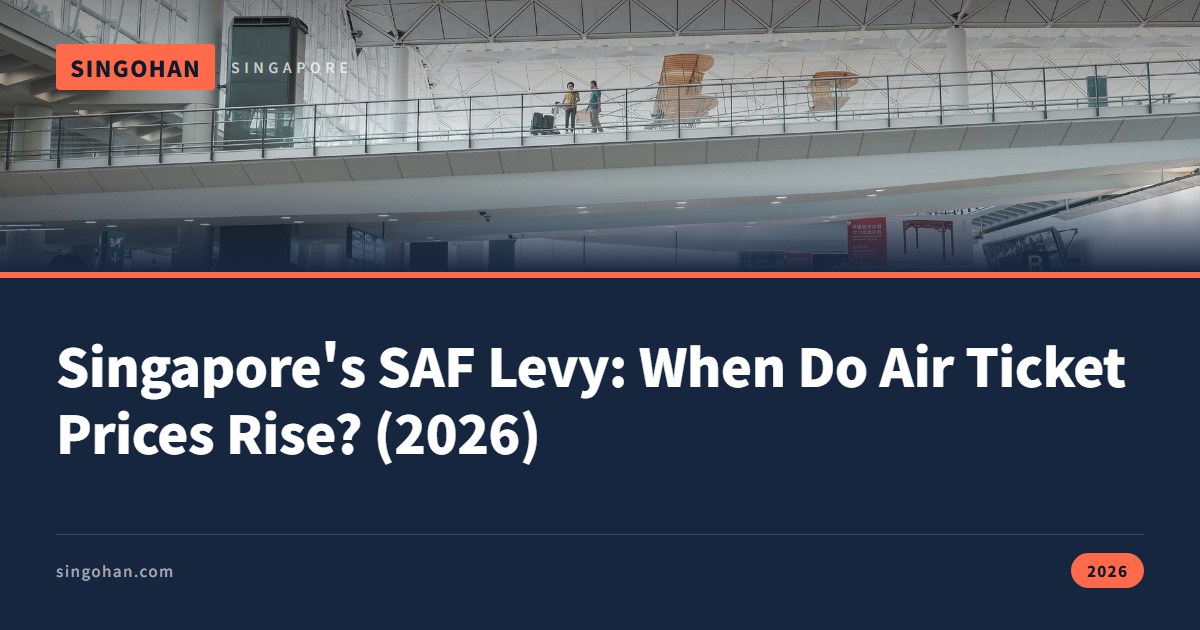
Starting with tickets purchased on or after October 1, 2026, for flights departing on or after January 1, 2027, air tickets out of Singapore will carry an added Sustainable Aviation Fuel (SAF) levy. The amount depends on your destination — flights to Japan and other Northeast Asian destinations are charged S$2.80 (about US$2.10) in economy class. This article explains who is affected, how much it costs, and what it means for travellers passing through Singapore.
What Is the SAF Levy?
The SAF levy is a charge applied to flights departing from Singapore to help fund the use of Sustainable Aviation Fuel.
The Civil Aviation Authority of Singapore (CAAS) has set a target for SAF to make up 1% of the fuel used by all departing flights in 2026. The SAF levy is how the added cost of rolling out this fuel is recovered — added on top of airfares and cargo charges.
The levy applies to three categories:
- Passenger tickets (economy, premium economy, business, and first class)
- Air cargo shipments
- Private aircraft and business jet operations
Singapore is the first country in the world to introduce a levy like this. Some flights are exempt, including training flights and flights for charitable or humanitarian purposes.
When budgeting for a trip to Singapore, it also helps to know the local rules and fines that visitors should keep in mind. See Singapore’s Fines and Rules: What Travellers Need to Know for a full guide.
Which Tickets Are Affected, and When?
Only tickets that are purchased on or after October 1, 2026, for flights departing on or after January 1, 2027 are affected.
Whether the levy applies depends on the combination of purchase date and departure date. Here’s the breakdown from CAAS and MileLion:
| Ticket purchase date | Departure date | SAF levy |
|---|---|---|
| Before October 1, 2026 | Before January 1, 2027 | No |
| Before October 1, 2026 | On or after January 1, 2027 | No |
| On or after October 1, 2026 | Before January 1, 2027 | No |
| On or after October 1, 2026 | On or after January 1, 2027 | Yes |
Source: MileLion, “Confirmed: Singapore to start collecting green fuel levy from October 2026”
In other words, if you buy your ticket before October 1, 2026, you won’t pay the SAF levy even if your flight departs in 2027 or later. Since airlines typically sell tickets up to a year in advance, booking early gives you a real chance to avoid the charge.
The best time to fly to Singapore, and how airfares move seasonally, is also worth factoring in. See When Is the Best Time to Visit Singapore? for a seasonal breakdown.
How Much Does It Cost by Destination?
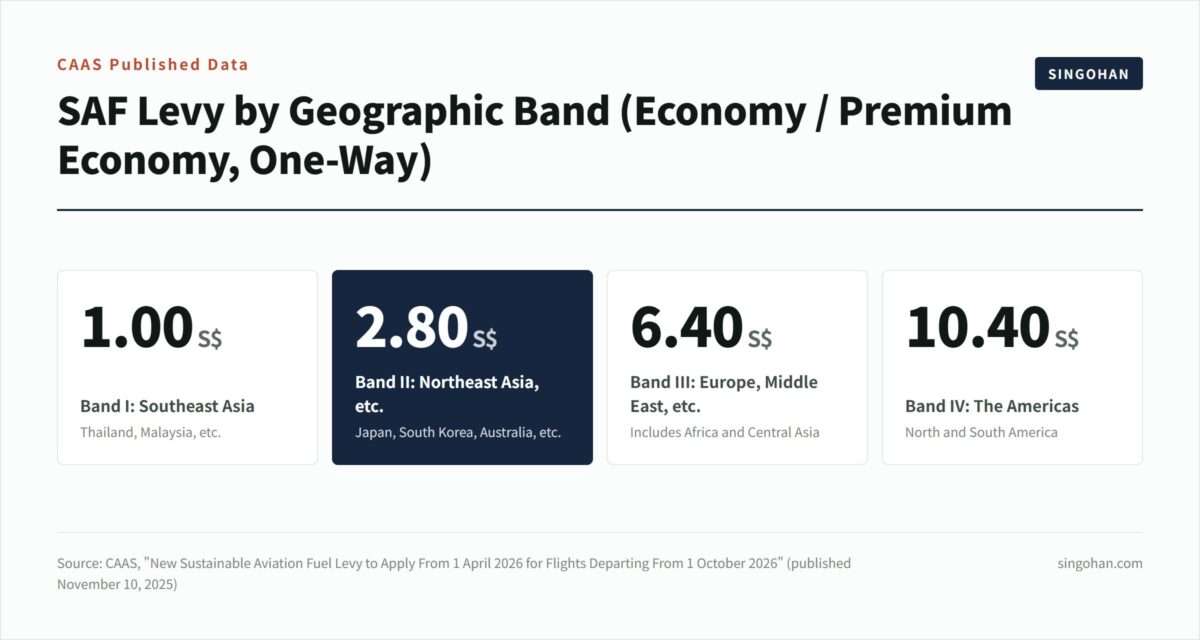
Destinations are divided into four geographic bands, and the levy amount depends on the band and the cabin class.
| Band | Region | Economy / Premium Economy | Business / First |
|---|---|---|---|
| Band I | Southeast Asia | S$1.00 (~US$0.75) | S$4.00 (~US$3.00) |
| Band II | Northeast Asia, South Asia, Australia, Papua New Guinea | S$2.80 (~US$2.10) | S$11.20 (~US$8.40) |
| Band III | Africa, Central/West Asia, Europe, Middle East, Pacific Islands, New Zealand | S$6.40 (~US$4.80) | S$25.60 (~US$19.20) |
| Band IV | The Americas | S$10.40 (~US$7.80) | S$41.60 (~US$31.20) |
Source: CAAS, “New Sustainable Aviation Fuel Levy to Apply From 1 April 2026…”
The business/first class levy is set at four times the economy amount for the same band. This is based on IATA’s methodology for calculating per-passenger CO2 emissions by cabin class.
The SAF blending target is expected to rise to 3–5% by 2030, at which point the levy amounts are likely to be revised.
What About Flights to Japan or Connecting Flights?
Japan falls under Band II (Northeast Asia), so flights to Tokyo cost S$2.80 (~US$2.10) in economy and S$11.20 (~US$8.40) in business class or above.
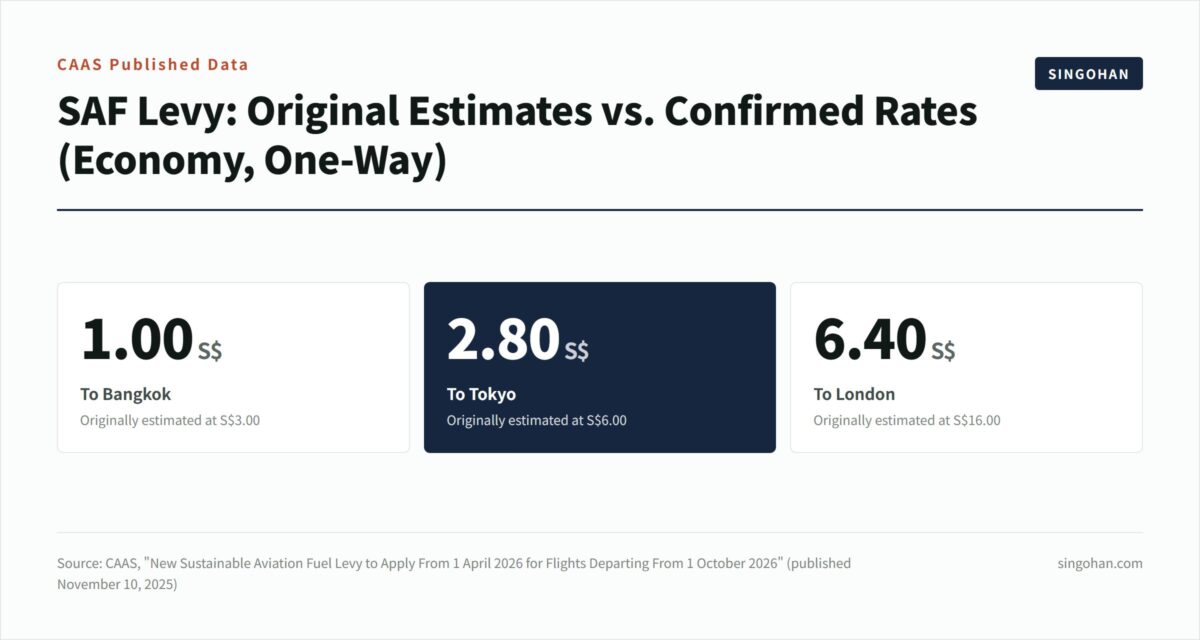
CAAS initially estimated economy-class levies of around S$3.00 for Bangkok, S$6.00 for Tokyo, and S$16.00 for London. However, because SAF procurement costs came in lower than expected, the confirmed figures dropped to S$1.00 for Bangkok, S$2.80 for Tokyo, and S$6.40 for London.
For connecting flights, the band is determined by the immediate next destination after departing Singapore — not your final destination.
For example, on a flight to the United States, a routing via Hong Kong (SIN-HKG-SFO) falls under Band II (Northeast Asia), costing S$2.80–S$11.20, while a direct SIN-SFO flight falls under Band IV (the Americas), costing S$10.40–S$41.60 — meaning the connecting flight is cheaper purely in terms of the SAF levy. That said, when airport taxes are factored into the total fare, the savings from connecting can be offset, so it’s not a good idea to choose a routing based on the SAF levy alone.
Passengers who are simply transiting through Singapore — not departing from it — are exempt from the SAF levy.
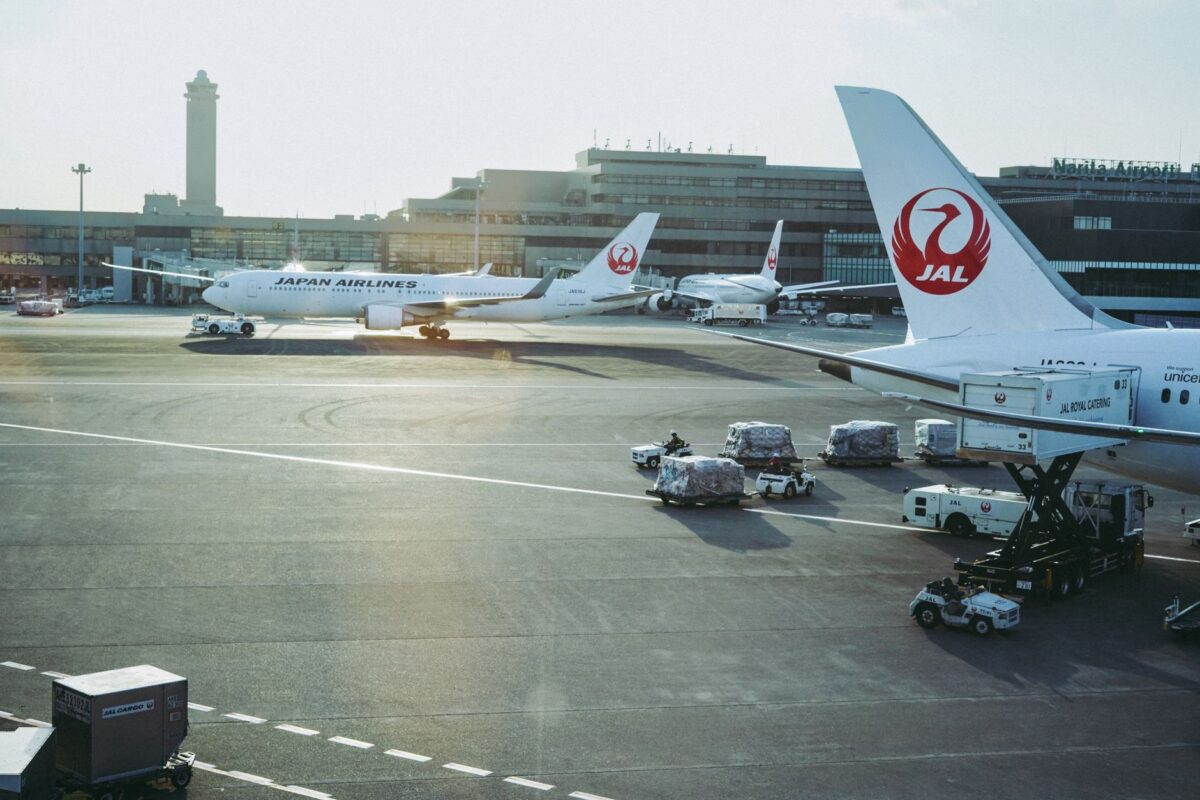
Travellers heading to or from Japan may also want to know what Japanese food and daily life look like in Singapore. See Can You Find Japanese Food in Singapore? to help plan ahead.
Why Was the Start Date Delayed?
The SAF levy was originally set to apply to tickets purchased from April 1, 2026, with the charge kicking in for flights departing from October 1, 2026.
However, following a spike in oil prices caused by tensions in the Middle East, CAAS pushed back the start date by six months. As a result, collection now begins on October 1, 2026, with the levy applying to flights departing on or after January 1, 2027.
While some had hoped for a further delay amid continued high oil prices, CAAS has stated there will be no further postponement for the passenger levy. The cargo levy, on the other hand, has been pushed back by a full year.
How Will This Affect Your Travel Budget?
On its own, the SAF levy is small — ranging from S$1.00 to S$10.40 in economy class — so its direct impact on your overall travel budget is limited. That said, airlines may adjust base fares to pass on part of the cost, and for reward tickets booked with miles, the full levy amount is typically charged to the traveller.
On top of that, Changi Airport is planning phased increases to airport and passenger service fees starting from April 2027. Costs around air travel are likely to creep up gradually going forward.
When planning your overall trip budget, it also helps to understand typical living costs in Singapore. See How Much Does It Cost to Live in Singapore? for a breakdown by single travellers and families.
If rising airfares mean you want to save on food during your trip, hawker centres are a great way to eat well on a budget. See What Is a Hawker Centre in Singapore? for how to use one.
Airfares also tend to spike during peak periods such as National Day, so spreading out your travel dates is worth considering. Check What Is Singapore’s National Day? for the typical timing of celebrations.
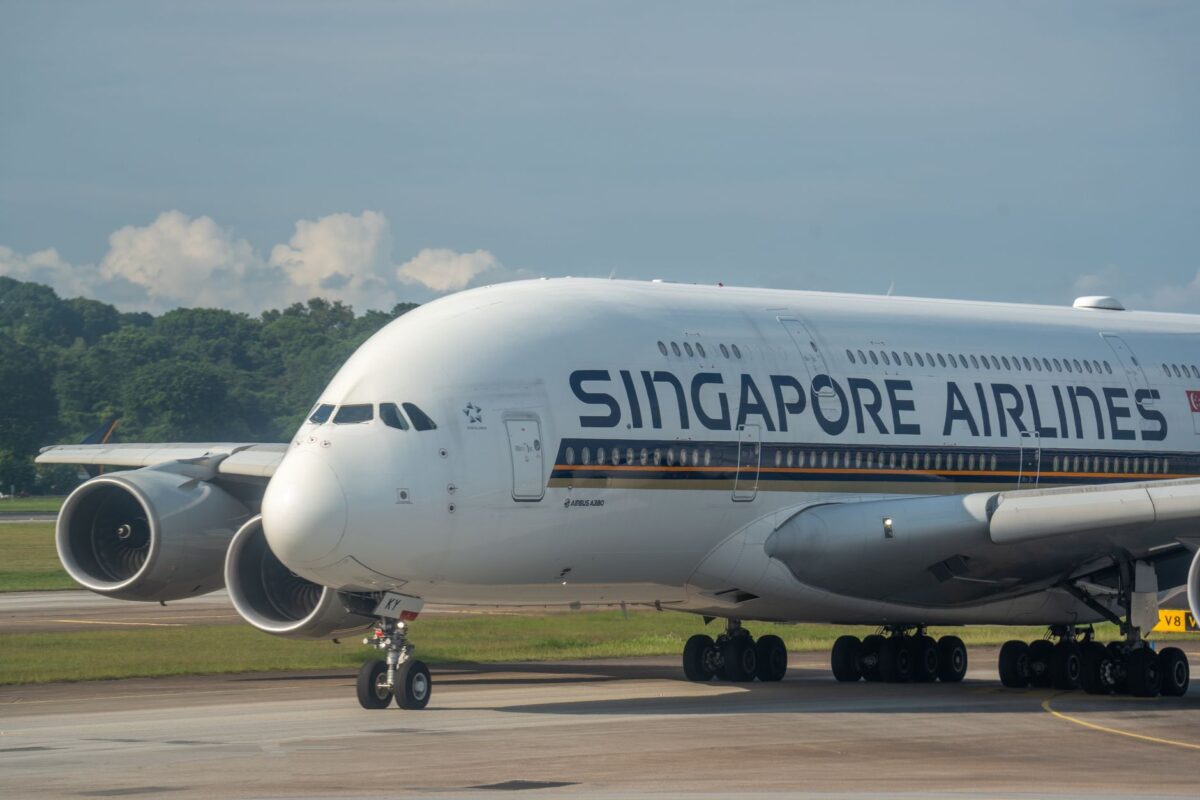
Combining your trip with short getaways to nearby destinations can also help lower your overall travel cost per visit. See Day Trips and Weekend Getaways from Singapore for options like Johor Bahru and Batam.
Sorting out what to pack and wear early can go hand in hand with booking your flight early to avoid the SAF levy. See What to Wear in Singapore in July for a seasonal packing guide.
For those relocating to Singapore for work, changes to flight costs are also worth keeping in mind. See Singapore Work Visas: EP and S Pass Explained for an overview of the relocation process.
Frequently Asked Questions
When does the SAF levy start applying to tickets?
It applies to tickets purchased on or after October 1, 2026, for flights departing on or after January 1, 2027.
How much will flights to Japan cost?
Japan falls under the Northeast Asia band, so economy fares carry a S$2.80 levy and business/first class fares carry S$11.20.
Are connecting flights also taxed?
Yes, but the band — and therefore the amount — is based on the immediate next destination after leaving Singapore, so it varies by routing.
Are passengers just transiting through Singapore affected?
No. Passengers who are only transiting through Singapore, rather than departing from it, are exempt from the SAF levy.
Why was the levy delayed?
Rising fuel prices caused by tensions in the Middle East led CAAS to push back the original April 2026 start date by six months.
Will cargo be taxed at the same time?
No. The cargo levy has been delayed by a full year and will start later than the passenger levy.
Summary
The SAF levy applies to tickets purchased on or after October 1, 2026, for flights departing on or after January 1, 2027. The amount is determined by the destination’s geographic band and cabin class — S$1.00 in economy for Southeast Asia, and S$2.80 for Japan and other Northeast Asian destinations. Passengers who are only transiting through Singapore are exempt. While the levy itself is small, it’s part of a broader trend of rising airfare-related costs — so book early and factor it into your overall travel budget.
Photo credits
- Photo: Angelyn Sanjorjo / Pexels
- Photo: Garrison Gao / Pexels
- Photo: Afif Ramdhasuma / Pexels
- Photo: Max Zhang / Pexels