
Renting & Buying a Condo in Singapore 2026: Prices, Process & Key Tips
Finding a home is one of the first and most daunting tasks when relocating to Singapore. For foreigners, a private condominium is typically the go-to residential option — but the market is competitive, the terminology unfamiliar, and the costs can come as a shock. Whether you’re looking to rent for the duration of your employment pass or exploring what it would take to buy property in Singapore, this guide walks you through everything you need to know in 2026.
1. What Is a Singapore Condo?
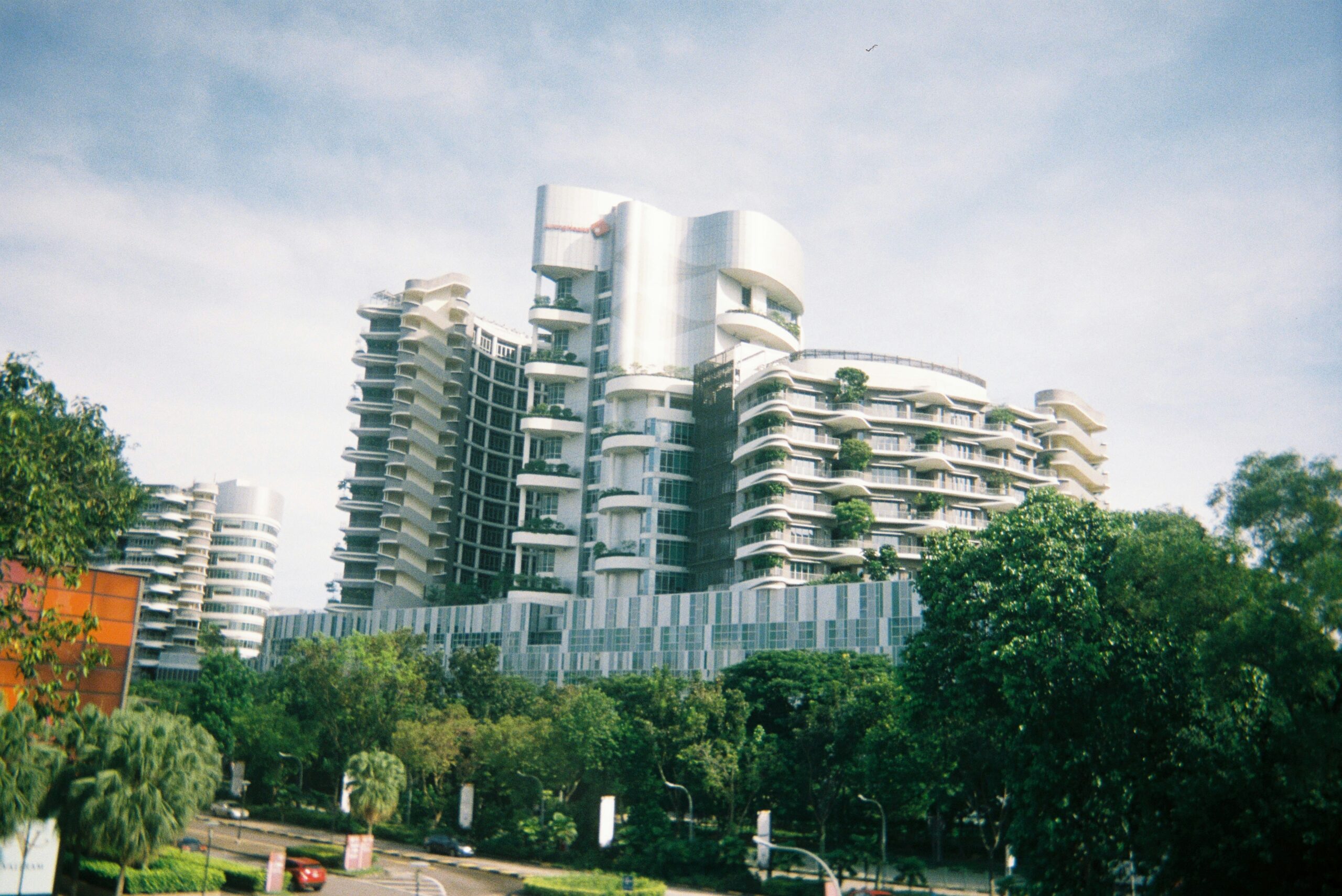
In Singapore, ‘condo’ (condominium) refers to privately developed residential apartments or strata-titled units within a gated, managed development. They are distinct from HDB flats — the government-built public housing that houses roughly 80% of Singapore’s citizens. Foreigners are generally not permitted to purchase or rent HDB flats, which makes private condos (and landed houses) the primary residential options for expats.
Most condos come with a standard suite of communal facilities: swimming pool, gymnasium, tennis courts, BBQ pavilions, function rooms, 24-hour security, and covered parking. Monthly maintenance fees, paid by the owner (and sometimes passed on to tenants), typically run SGD 300–600. The quality and modernity of facilities varies considerably by development age and price bracket.
Unit sizes range from compact studios (around 45 sqm) to spacious four-bedroom penthouses (200 sqm+). Compared to equivalents in many major Asian cities, Singapore condos tend to offer relatively generous floor plans, particularly in developments built before the 2010s.
2. Renting: Current Prices & How the Process Works
Condo rental prices in Singapore remain elevated by global standards, though the sharp increases seen in 2022–2023 have moderated somewhat. As of 2026, indicative monthly rents are roughly as follows: 1-bedroom (45–60 sqm): SGD 2,500–4,500; 2-bedroom: SGD 3,500–6,500; 3-bedroom: SGD 5,000–9,000+. Premium locations such as Orchard, Marina Bay, and Holland Village command rents at or above the upper end of these ranges.
Note: Rental prices fluctuate with market conditions. Always verify current asking rents on PropertyGuru or SRX before budgeting.
The rental process typically follows these steps. First, search listings on PropertyGuru, SRX, or through a licensed property agent. Viewing properties is free. Once you identify a unit, submit a Letter of Intent (LOI) — a non-binding expression of interest — to signal your offer and proposed terms (rent, lease length, included fittings). After negotiation and acceptance, both parties sign a formal Tenancy Agreement. You’ll pay a security deposit of one to two months’ rent upfront.
Standard lease terms are 12 or 24 months, with 24 months being more common. Agent commissions are typically paid by the landlord, so tenants using a co-broking agent usually incur no direct fees. Do read the diplomatic clause carefully — it allows early termination (usually after 12 months with one month’s notice) if you lose your employment pass or are relocated.
3. Buying a Condo as a Foreigner
Foreigners (non-citizens and non-permanent residents) are legally permitted to purchase private condominiums in Singapore. However, they are barred from buying HDB flats and most forms of landed property without special government approval.
Indicative purchase prices in 2026: 1-bedroom units in central areas typically start from SGD 1.2M–2M; 2-bedroom units from SGD 1.8M–3M+. Outside the core central region, prices are lower but still significant by international standards.
The major financial consideration for foreign buyers is the Additional Buyer’s Stamp Duty (ABSD). Since April 2023, foreigners purchasing any residential property in Singapore face an ABSD of 60% of the purchase price — a rate specifically designed to cool foreign speculative investment. This effectively doubles or more the acquisition cost for most foreign buyers and makes pure investment purchases financially challenging.
Singapore Permanent Residents (PRs) face a much lower ABSD of 5% on their first residential property purchase, making PR status a significant threshold for property ownership consideration. The conveyancing process requires a licensed lawyer, and total transaction costs including stamp duties, legal fees, and agent commissions typically run 3–5% of the purchase price.
4. Key Factors to Evaluate Before You Commit
Whether renting or buying, these are the factors that most reliably affect your satisfaction and the property’s long-term value.
MRT proximity: Singapore is not a driving city, and walkability to an MRT station is the single biggest determinant of convenience and resale/rental value. Properties within 10 minutes’ walk of a station command a meaningful premium — and for good reason.
School access: For families with children, proximity to an international school (or a Singapore school, for PRs and citizens) shapes the entire location decision. Check bus routes for the Singapore Japanese School (SIJS) or your preferred international school before shortlisting areas.
Building age and condition: Older developments (10–20+ years) offer more space for the money but may have aging air-conditioning systems, plumbing, and lift infrastructure. During viewings, test the air-con, check water pressure, and assess the general maintenance standard of common areas.
Management quality: A well-managed condo makes a real difference to daily life. Look at the cleanliness of the pool and gym, the responsiveness of security, and whether the development appears well-maintained overall.
5. Rent or Buy? How to Decide
The vast majority of foreign expats in Singapore rent rather than buy, and for good reason. The 60% ABSD makes purchasing enormously expensive for non-PRs, and the uncertainty of employment pass renewals and relocation timelines makes long-term ownership commitments risky.
Buying makes most sense if you have (or are close to obtaining) Singapore PR status, plan to stay for 10+ years, and are financially positioned to treat it as a long-term asset rather than a short-term investment. Singapore’s property market has historically appreciated over long time horizons, but the high acquisition costs mean break-even timelines are long.
For most new arrivals, the practical advice is: rent first, settle into a neighborhood, understand your lifestyle needs, and revisit the ownership question once your residency status and long-term plans become clearer.
Summary
Singapore’s condo market is sophisticated, competitive, and expensive — but navigable with the right preparation. For renters, PropertyGuru and a reliable co-broking agent remain the best starting points. For potential buyers, understanding the ABSD implications for your residency status is the essential first step. In either case, taking time to evaluate MRT access, school proximity, and building condition will save you from costly mistakes. Singapore’s property market rewards informed decisions, and getting the fundamentals right sets the foundation for a comfortable, settled life in one of Asia’s most liveable cities.
(Photo by unsplash.com)