
How To Get Around Singapore 2026: MRT, Bus, Taxi & Grab Complete Guide
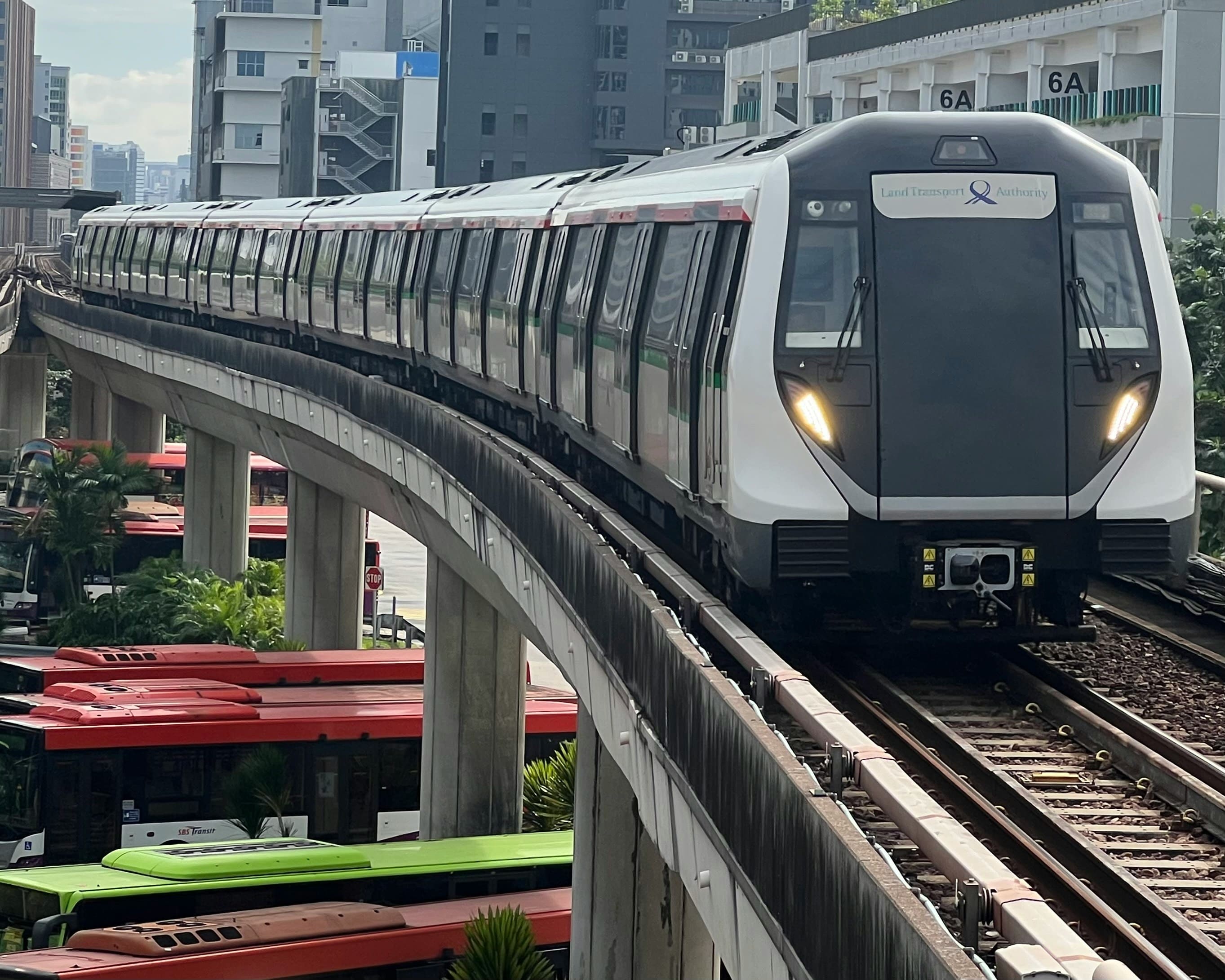
Singapore consistently ranks as one of the easiest cities in the world to navigate — and for good reason. Its public transport network is clean, punctual, and remarkably affordable. Whether you’re hopping between tourist attractions or commuting to work as a new resident, this guide covers everything you need to know about getting around Singapore in 2026: from setting up your transit card to understanding fares, routes, and when to switch from the MRT to a Grab.
1. Getting Your Transit Card: EZ-Link vs SimplyGo
Before you board your first MRT or bus, you’ll need a way to pay. Singapore’s transit system is cashless on buses and strongly discourages cash on the MRT.
The EZ-Link card is the traditional stored-value transit card available at airport MRT stations and any TransitLink service centre. It costs around SGD 12 upfront (including a SGD 5 non-refundable card fee). It’s the best option for frequent users and long-term residents, as it unlocks transfer discounts and early-morning fare savings.
SimplyGo, the newer option, lets you tap in and out using a contactless Visa or Mastercard credit or debit card — no separate card needed. It’s ideal for short-term visitors who don’t want to manage a separate card. Note that SimplyGo doesn’t show your remaining balance at the gantry, so you’ll need to check the app if you want fare details.
Both options work across MRT and buses seamlessly. Top up EZ-Link at station top-up machines, 7-Eleven stores, or via the EZ-Link app.
2. The MRT: Singapore’s Subway System Explained
The Mass Rapid Transit (MRT) is the backbone of Singapore’s transport network. As of 2026, six lines serve the island — the North-South Line (NSL), East-West Line (EWL), Circle Line (CCL), Downtown Line (DTL), Thomson-East Coast Line (TEL), and North-East Line (NEL). Together they cover virtually every major tourist site, business district, and residential area.
Operating hours run from approximately 5:30 AM to midnight, with trains arriving every 3–5 minutes during peak hours. Fares range from SGD 0.90 to SGD 2.50 per journey depending on distance (EZ-Link rates). A useful perk: travel from CBD stations before 7:45 AM on weekdays earns a free transfer incentive under the ‘Travel Smart’ programme.
A few rules to remember: no eating, drinking, or bringing durians onto the MRT. The SGD 500 fine for non-compliance is enforced. For navigation, Google Maps and the Citymapper app both provide reliable MRT routing with live updates.
3. Buses: Filling the Gaps
Where the MRT doesn’t reach, buses do. Singapore’s bus network is extensive, fully air-conditioned, and runs from early morning until late at night (with selected night bus routes running 24 hours). Every bus stop is numbered, making it straightforward to match routes to your destination using Google Maps or the MyTransport SG app.
Boarding is simple: wait at the stop, tap your EZ-Link or SimplyGo card on the reader as you board, and tap again when you alight. Forgetting to tap out means the system can’t calculate your fare and will charge you the maximum — so make it a habit.
Fares mirror the MRT at roughly SGD 0.90–2.20. Crucially, if you transfer between MRT and bus (or bus to bus) within 45 minutes using the same card, you receive an automatic transfer discount. This makes multi-modal journeys surprisingly cost-effective — a cross-city trip combining MRT and bus rarely exceeds SGD 2.
4. Taxis & Grab: When to Use Ride-Hailing
Taxis and Grab (Southeast Asia’s dominant ride-hailing app) come into their own when you’re carrying luggage, traveling late at night, in a group, or heading somewhere the MRT doesn’t conveniently serve.
Grab is by far the most popular option. The app shows you the fare upfront before you confirm — a major advantage over metered taxis for budget-conscious travelers. Standard GrabCar fares for city journeys typically run SGD 8–20, though surge pricing applies during peak hours and rainy periods. For a detailed breakdown of ride-hailing apps in Singapore, see our companion article on the best ride-hailing apps.
Traditional metered taxis (ComfortDelGro being the largest fleet) remain a reliable alternative and can be hailed on the street or booked via app. Note that taxis carry additional surcharges for airport pickups, peak hours (Mon–Fri 6–9:30 AM and 6–midnight), and public holidays. From Changi Airport to the city centre, expect to pay SGD 20–35 (including the SGD 5–8 airport surcharge) for a taxi ride of 20–30 minutes.
5. Scene-by-Scene Guide: Which Transport to Use When
Here’s a quick reference for the most common travel scenarios:
· Sightseeing along major tourist routes → MRT is the clear winner. It’s fast, cheap, and covers Marina Bay, Orchard, Chinatown, Little India, and more.
· Reaching spots off the MRT grid → Combine MRT + bus. Use Google Maps for the optimal route and remember to tap out on buses.
· Carrying heavy luggage / late-night travel / bad weather → Grab or taxi. Door-to-door convenience justifies the higher cost.
· Airport to city centre → MRT (EWL to Tanah Merah, ~SGD 2) is the budget option; Grab or taxi (~SGD 20–35) is faster and more practical with bags.
· Day trip to Johor Bahru (Malaysia) → Take MRT to Woodlands, cross the Causeway by bus (SBS 170 or Causeway Link), then arrange onward transport on the Malaysian side.
Summary
Getting around Singapore is genuinely one of the most stress-free urban transport experiences in the world. The MRT and bus network covers almost everywhere you’ll want to go at a fraction of the cost of taxis, while Grab provides a reliable, price-transparent backup when public transit isn’t the right fit. Set yourself up with an EZ-Link card (or simply use your contactless bank card via SimplyGo), download Google Maps or Citymapper, and you’ll be navigating Singapore like a local within a day.
(Photo by unsplash.com)