
Singapore Annual Events Calendar 2026: A Complete Guide for Travel and Living
Singapore hosts a wide variety of events throughout the year, reflecting its multicultural society and global outlook. From traditional religious festivals to world-famous sports events and national celebrations, these occasions strongly influence travel demand, hotel prices, and daily life.
This 2026 edition provides a month-by-month overview of Singapore’s major events, helping travelers, expats, and long-term residents plan their schedules more effectively.
目次
1. January–March: New Year and Lunar New Year Season
The year begins with New Year’s Day on January 1, marked by large-scale countdown events and fireworks around Marina Bay. The atmosphere is festive yet relatively relaxed compared to later peak seasons.
Between late January and February, Chinese New Year takes center stage. It is Singapore’s most important cultural festival, especially for the Chinese community. Chinatown is decorated in red and gold, with lion dances, street markets, and family gatherings shaping the city’s mood.
Depending on the year, Ramadan may begin in March, subtly changing dining hours and daily rhythms in Muslim neighborhoods.
2. April–June: Religious and Cultural Observances
April often includes Good Friday, a public holiday observed by the Christian community.
In May, Vesak Day is celebrated by Buddhists, commemorating the birth, enlightenment, and passing of Buddha. Temples across the city hold ceremonies and processions, creating a calm and reflective atmosphere.
June is generally quieter in terms of major public holidays, making it an ideal time for sightseeing, food exploration, and daily life experiences without heavy crowds.
3. July–September: National Pride and Global Sports
July is known for large-scale shopping promotions, with malls offering seasonal sales.
On August 9, Singapore celebrates its National Day, highlighted by the Singapore National Day Parade. Military displays, aerial flyovers, and fireworks showcase national pride and unity.
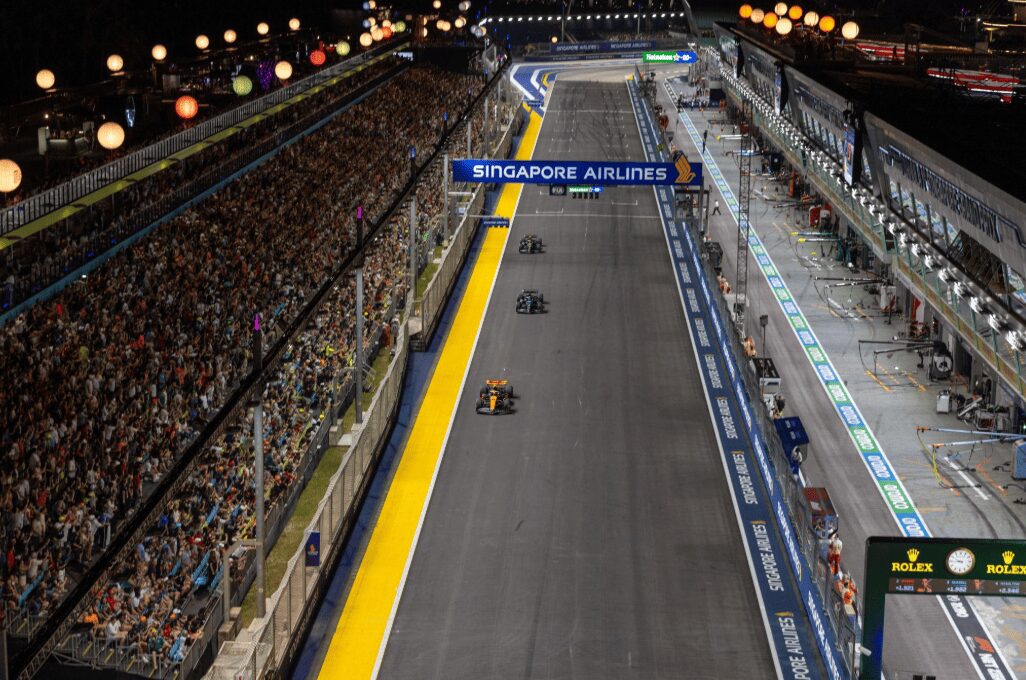
September is dominated by the Singapore Grand Prix, the iconic Formula 1 night race. This global event attracts visitors from around the world, driving up hotel rates and transforming the Marina Bay area into a high-energy entertainment zone.
4. October–November: Multicultural Festivals
October typically features Deepavali, the Hindu Festival of Lights. Little India becomes one of the most vibrant areas in the city, with colorful decorations, illuminated streets, and festive markets.
In November, Hari Raya Haji, an important Islamic holiday, is observed. Mosques and Malay neighborhoods take on a solemn and respectful atmosphere, highlighting Singapore’s commitment to religious harmony.
5. December: Year-End Festivities and Peak Travel Season
December marks the start of the Christmas season, with Orchard Road hosting elaborate light displays and shopping promotions. Although Christmas is a Christian holiday, the celebrations are widely enjoyed across communities.
As the year comes to a close, countdown events and fireworks return, especially around Marina Bay. December is one of the busiest travel periods, so early booking of flights and accommodations is strongly recommended.
Conclusion
In 2026, Singapore continues to stand out as a destination where cultural diversity and global events coexist throughout the year.
Key highlights such as Chinese New Year, National Day, the Singapore Grand Prix, and Deepavali can significantly enhance—or affect—your travel and living experience. By planning around this annual events calendar, visitors and residents alike can enjoy Singapore at its most vibrant while avoiding unexpected crowds or costs.