
Singapore Neighborhoods Guide 2026: Which Area Should You Stay or Live In?
Singapore may be small, but its neighborhoods are strikingly diverse. Each district has its own character, price point, and lifestyle appeal — and choosing the right one can make or break your trip or relocation experience. Whether you’re deciding where to book your hotel or figuring out where to put down roots, this guide breaks down Singapore’s key neighborhoods so you can find the best fit for your needs.
1. Marina Bay & the CBD
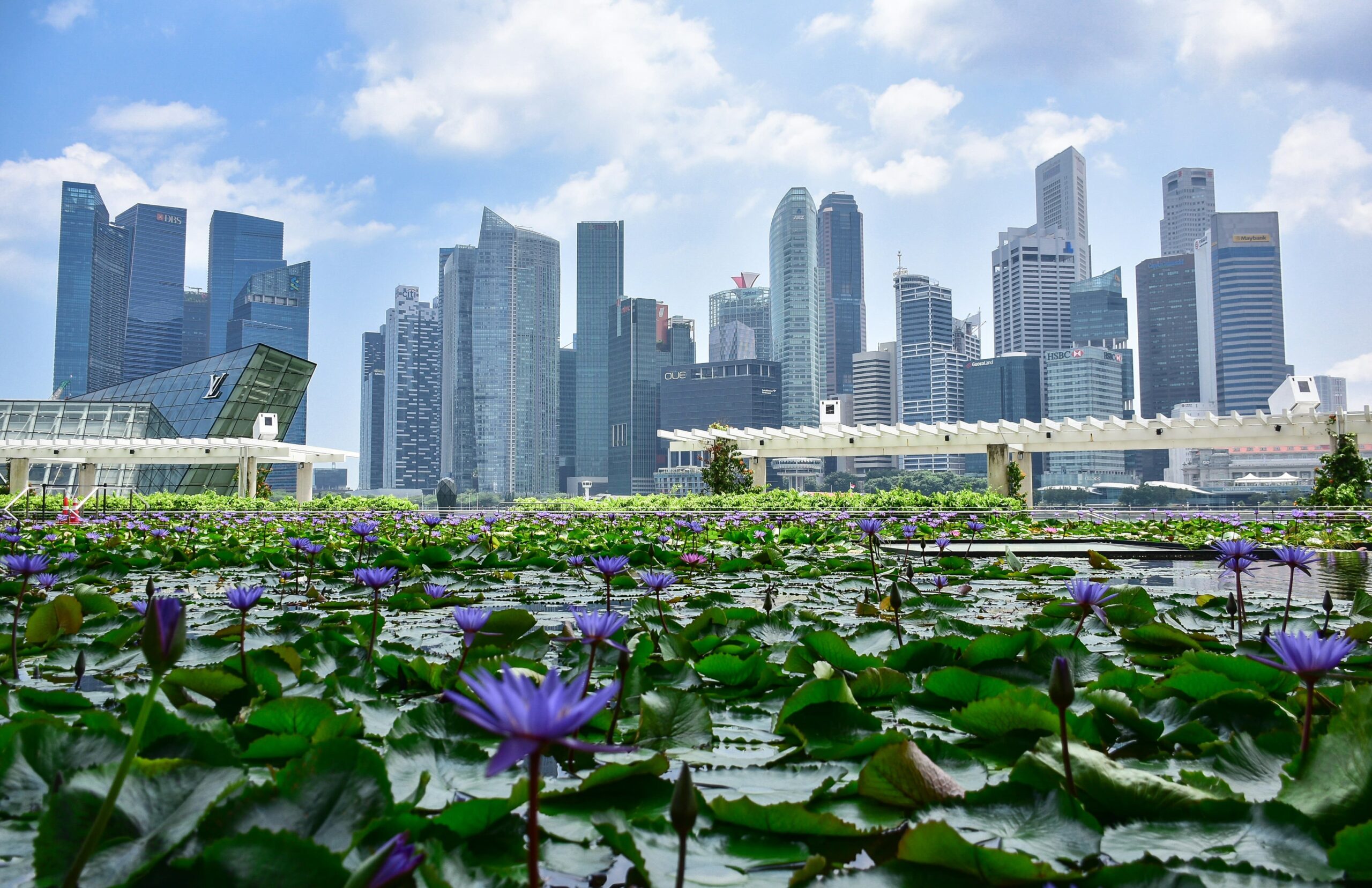
Marina Bay is Singapore’s most iconic district — home to Marina Bay Sands, Gardens by the Bay, and the glittering financial skyline of the Central Business District (CBD). For visitors, it’s hard to beat the convenience: top attractions, world-class restaurants, and luxury hotels are all within easy walking distance.
For those considering a move, the CBD offers upscale serviced apartments and condos favored by expat professionals and corporate transferees. Rents are among the highest in the city, and the area has a distinctly cosmopolitan, business-focused feel with less of the local neighborhood character found elsewhere.
[For Travelers] ★★★★★ / [For Residents] ★★★☆☆ (budget-dependent)
2. Orchard Road & River Valley
Orchard Road is Singapore’s premier shopping belt, lined with flagship malls like ION Orchard and Paragon. It’s one of the most popular areas for tourists, with excellent MRT access, a wide range of hotels at various price points, and plenty of dining and nightlife options.
River Valley, just a short walk from Orchard, offers a quieter residential feel while retaining excellent city access. It’s a top choice for expat families and young professionals, with a mix of condominiums, international restaurants, and local hawker centres. The balance between urban convenience and residential comfort makes it one of the most sought-after areas for long-term residents.
[For Travelers] ★★★★★ / [For Residents] ★★★★☆
3. Chinatown & Tanjong Pagar
Chinatown is a feast for the senses — colorful shophouses, Buddhist and Hindu temples, incense-filled streets, and some of the best budget food in Singapore. It’s a must-visit neighborhood for anyone wanting to experience Singapore’s layered cultural history. Maxwell Food Centre, located here, is one of the most famous hawker centres in the country.
Adjacent Tanjong Pagar has evolved into one of Singapore’s trendiest urban villages, with a booming Japanese restaurant scene, artisan coffee shops, and easy access to the CBD. It’s particularly popular with the Japanese expat community and young professionals. Rents are more reasonable than the CBD while connectivity remains excellent.
[For Travelers] ★★★★☆ / [For Residents] ★★★★★
4. Arab Street (Kampong Glam) & Little India
Kampong Glam, centered on the golden-domed Sultan Mosque, is one of Singapore’s most photogenic neighborhoods. Boutique shops, hip cafes, and Malay-Middle Eastern restaurants line the streets of Haji Lane and Arab Street, drawing a creative, design-savvy crowd. It’s an excellent base for travelers who want something more atmospheric than the standard tourist circuit.
Little India offers a completely different sensory experience — vibrant mustard-yellow buildings, the scent of fresh jasmine and spices, and a pulsing street market energy reminiscent of Chennai or Mumbai. Both areas are relatively affordable by Singapore standards and have seen an uptick in younger expats and digital nomads drawn by the character and value. Best for those who want cultural richness over polish.
[For Travelers] ★★★★★ / [For Residents] ★★★☆☆ (preference-dependent)
5. East Coast & Katong / North & West Singapore
The East Coast is Singapore’s laid-back seaside neighborhood — think cycling paths along the beach, hawker stalls serving famous chilli crab, and leafy residential streets. Katong (also called Joo Chiat) sits nearby and is steeped in Peranakan heritage, with its signature pastel-colored terrace houses and unique Nyonya cuisine. These areas are especially popular with families and long-term expats looking for a ‘real Singapore’ feel away from the glitz.
The northern district of Woodlands and western Jurong East offer the most affordable housing options in the city, making them practical choices for families prioritizing space and school access. The trade-off is a longer commute to central attractions. For those relocating with children, the proximity to international schools and green spaces often outweighs the distance from downtown.
[For Travelers] ★★★☆☆ / [For Residents (Families)] ★★★★★
Summary
Singapore’s neighborhoods each offer a distinct flavor, and the right one depends entirely on what you’re after. Travelers prioritizing convenience will love Orchard or Marina Bay; those seeking culture and atmosphere should explore Chinatown, Kampong Glam, or Little India. For expats setting up home, Tanjong Pagar strikes an impressive balance of lifestyle, access, and community — while East Coast and the western suburbs offer space and serenity for families. Take the time to explore a few areas before committing, and you’ll find that Singapore’s real magic lies in its neighborhoods.
Klook.com(Photo by unsplash.com)