
Pros and Cons of Moving to Singapore: An Honest Guide to Living Abroad
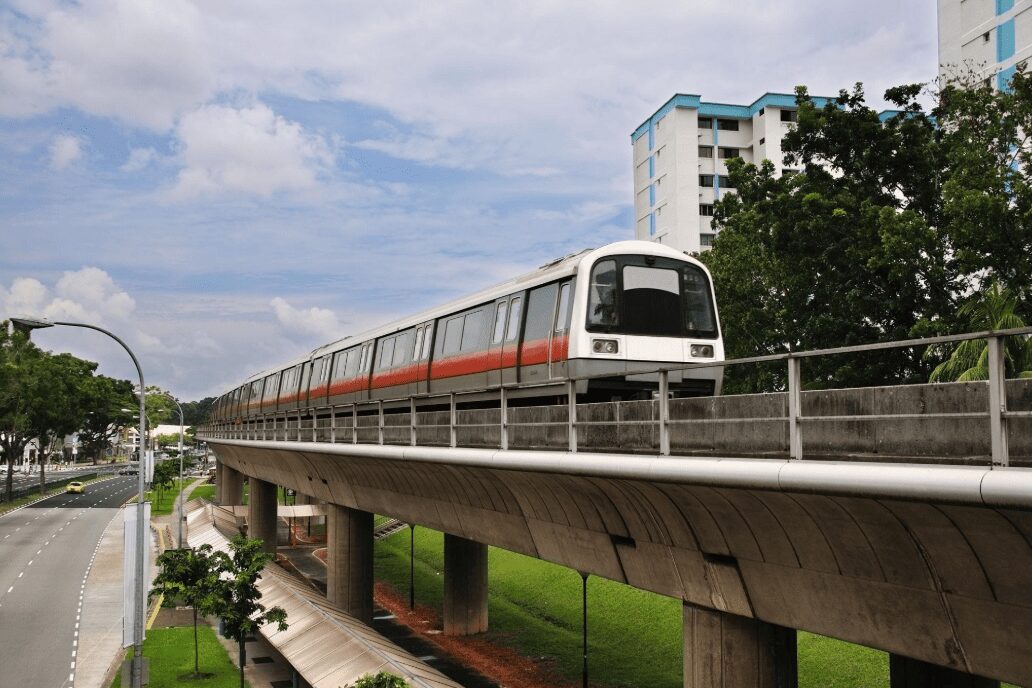
Singapore is one of the most popular relocation destinations for Japanese and international residents alike. Known for its safety, economic stability, and English-speaking environment, Singapore offers many advantages. However, it is also often criticized for its high cost of living and strict rules.
This article provides an honest overview of the pros and cons of moving to Singapore, helping you understand who is likely to thrive there and who may find it challenging.
1. Advantage 1: Exceptional Safety and Security
Singapore is widely regarded as one of the safest countries in the world. Crime rates are low, and it is generally safe to walk alone at night, even in central areas.
This high level of safety is supported by strict laws and enforcement, making Singapore especially attractive for families, solo residents, and those moving abroad for the first time.
2. Advantage 2: English-Speaking and Global Business Environment
English is one of Singapore’s official languages and is used in daily life, education, and business. This makes communication relatively easy for foreigners and provides an excellent environment for improving practical English skills.
In addition, Singapore is a major business hub in Asia, hosting multinational corporations, startups, and regional headquarters. It is an ideal place for career advancement and international business exposure.
3. Disadvantage 1: High Cost of Living and Rent
The biggest downside of living in Singapore is the high cost of living, particularly housing. A one-bedroom condominium typically costs SGD 2,000–3,000 per month, which can be higher than rents in major cities in Japan.
While food and transportation costs can be managed with local options, rent is unavoidable and requires careful financial planning before relocation.
4. Disadvantage 2: Strict Rules and Limited Sense of Freedom
Singapore’s orderly society comes with strict regulations. Minor violations, such as littering or ignoring public rules, can result in fines.
Some people feel that this reduces personal freedom compared to other countries. Those who value a relaxed or flexible lifestyle may find the environment restrictive.
5. Who Should and Should Not Move to Singapore
Based on these factors, the suitability of Singapore can be summarized as follows:
Well-suited for:
- People who prioritize safety and infrastructure
- Those who want to live and work in an English-speaking environment
- Professionals seeking career growth in Asia
Less suited for:
- People who want to minimize living expenses
- Those who prefer a more relaxed, rule-light lifestyle
- Individuals who value strong local or laid-back cultural atmospheres
Conclusion
Moving to Singapore offers significant advantages, including safety, a strong economy, and a global environment. At the same time, high living costs and strict regulations can be challenging for some residents.
Ultimately, the decision should be based not on whether Singapore is “good” or “bad,” but on whether it aligns with your personal values, lifestyle, and long-term goals. Visiting or staying short-term before committing to relocation is often the best way to make an informed decision.