
Is Singapore Expensive? A Cost of Living Comparison with Japan, Thailand, and Vietnam
Singapore is often described as one of the most expensive countries in the world. While this reputation is partly true, the reality is more nuanced. Costs can vary greatly depending on lifestyle choices, housing, and daily habits. In this article, we compare the cost of living in Singapore with Japan, Thailand, and Vietnam, focusing on food, housing, transportation, and daily expenses. This guide is useful for travelers as well as those considering long-term stays or relocation.
1. Why Is Singapore Considered So Expensive?
Singapore’s high cost of living is largely due to its limited land area and heavy reliance on imports for food and resources. In addition, the country attracts many multinational companies and high-income professionals, which drives up wages, housing prices, and service costs.
Housing and alcohol prices, in particular, are among the highest globally and strongly contribute to the perception that Singapore is expensive.
2. Food Costs Compared with Japan, Thailand, and Vietnam
Food expenses in Singapore are highly polarized.
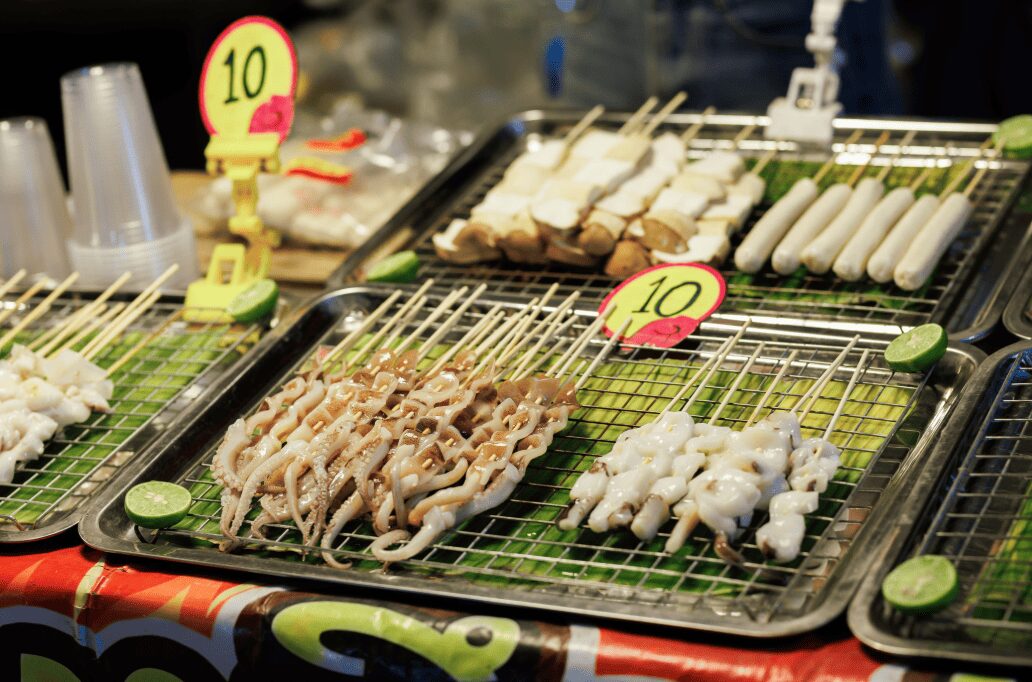
At hawker centers, a meal typically costs around SGD 5–8, making it very affordable. On the other hand, dining at restaurants often costs SGD 15–30 or more per person.
Approximate comparison:
- Japan: Lunch around SGD 10–12
- Thailand: Street food around SGD 3–5
- Vietnam: Local eateries around SGD 2–4
If you mainly eat local food at hawker centers, food costs in Singapore can be similar to—or even lower than—those in Japan.
3. Housing and Rent Comparison
Housing is the area where Singapore stands out as significantly more expensive.
A one-bedroom condominium in a central area often costs SGD 2,000–3,000 per month, sometimes exceeding rental prices in major Japanese cities.
Approximate monthly rent:
- Japan (Tokyo): SGD 1,500–2,000
- Thailand (Bangkok): SGD 700–1,200
- Vietnam (Ho Chi Minh City): SGD 500–1,000
For long-term residents, rent is usually the largest expense and the key factor in overall living costs.
4. Transportation and Daily Necessities
Public transportation in Singapore is efficient and relatively affordable. MRT and bus fares typically range from SGD 1.5 to 3 per trip, which is slightly cheaper than in Japan and very convenient.
Daily necessities and imported goods, however, tend to be more expensive than in Japan and significantly higher than in Thailand or Vietnam. Alcohol and imported Japanese products are especially costly.
5. Overall Assessment: Is Singapore Really That Expensive?
The answer depends largely on lifestyle.
While housing and luxury dining are undeniably expensive, everyday costs such as food and transportation can be well controlled. For short-term travelers, Singapore may feel comparable to Japan in terms of daily spending. For residents, smart choices—such as living outside the city center and eating local food—can make life more affordable than expected.
Conclusion
Compared with Japan, Thailand, and Vietnam, Singapore generally has a higher cost of living, but not every expense is equally high.
Housing and alcohol are expensive, while food and transportation can be affordable with the right choices. Rather than focusing solely on its reputation for high prices, it is important to evaluate whether Singapore’s cost structure fits your lifestyle and priorities.