
Cost of Living in Singapore: Monthly Budget Breakdown for Singles and Families (2026 Edition)

Singapore is often regarded as one of the most expensive cities in the world. For those considering relocation or long-term residence, a common question is: How much does it actually cost to live in Singapore?
The answer depends heavily on lifestyle and household size. This article provides a 2026 cost-of-living simulation for both single residents and families with children, breaking down major expenses such as rent, food, transportation, utilities, and education.
目次
1. Why the Cost of Living in Singapore Is High
Singapore’s high cost of living is mainly driven by its limited land area and strong reliance on imports. Among all expenses, housing and education have the greatest impact on monthly budgets.
That said, Singapore also offers relatively affordable public transportation and local food options, allowing residents to manage costs with smart lifestyle choices.
2. Monthly Cost of Living for a Single Person
Below is a realistic estimate for a single professional living in Singapore.
Estimated Monthly Expenses (Single, SGD)
- Rent (1-bedroom apartment): 2,000–3,000
- Food: 500–800
- Transportation: 100–150
- Utilities & internet: 150–250
- Miscellaneous (entertainment, daily items): 300–500
👉 Total: approx. 3,100–4,700 SGD per month
Living outside the city center and eating mainly at hawker centers can significantly reduce expenses. On the other hand, central locations and frequent dining at restaurants will push costs toward the higher end of this range.
3. Monthly Cost of Living for a Family (Couple + One Child)
Next is a family household with one child attending an international school.
Estimated Monthly Expenses (Family, SGD)
- Rent (2–3 bedroom apartment): 3,500–5,500
- Food: 1,200–1,800
- Transportation: 200–300
- Utilities & internet: 250–350
- Education (average tuition): 2,000–3,000
- Miscellaneous (healthcare, leisure, daily items): 500–800
👉 Total: approx. 7,700–11,700 SGD per month
For families, rent and education combined often account for 60–70% of total living expenses. Managing these two categories is the key to maintaining a sustainable budget in Singapore.
4. Practical Ways to Reduce Living Costs
Although Singapore is expensive, costs can be controlled with the right approach:
- Choose residential areas outside the city center along MRT lines
- Rely on hawker centers for daily meals
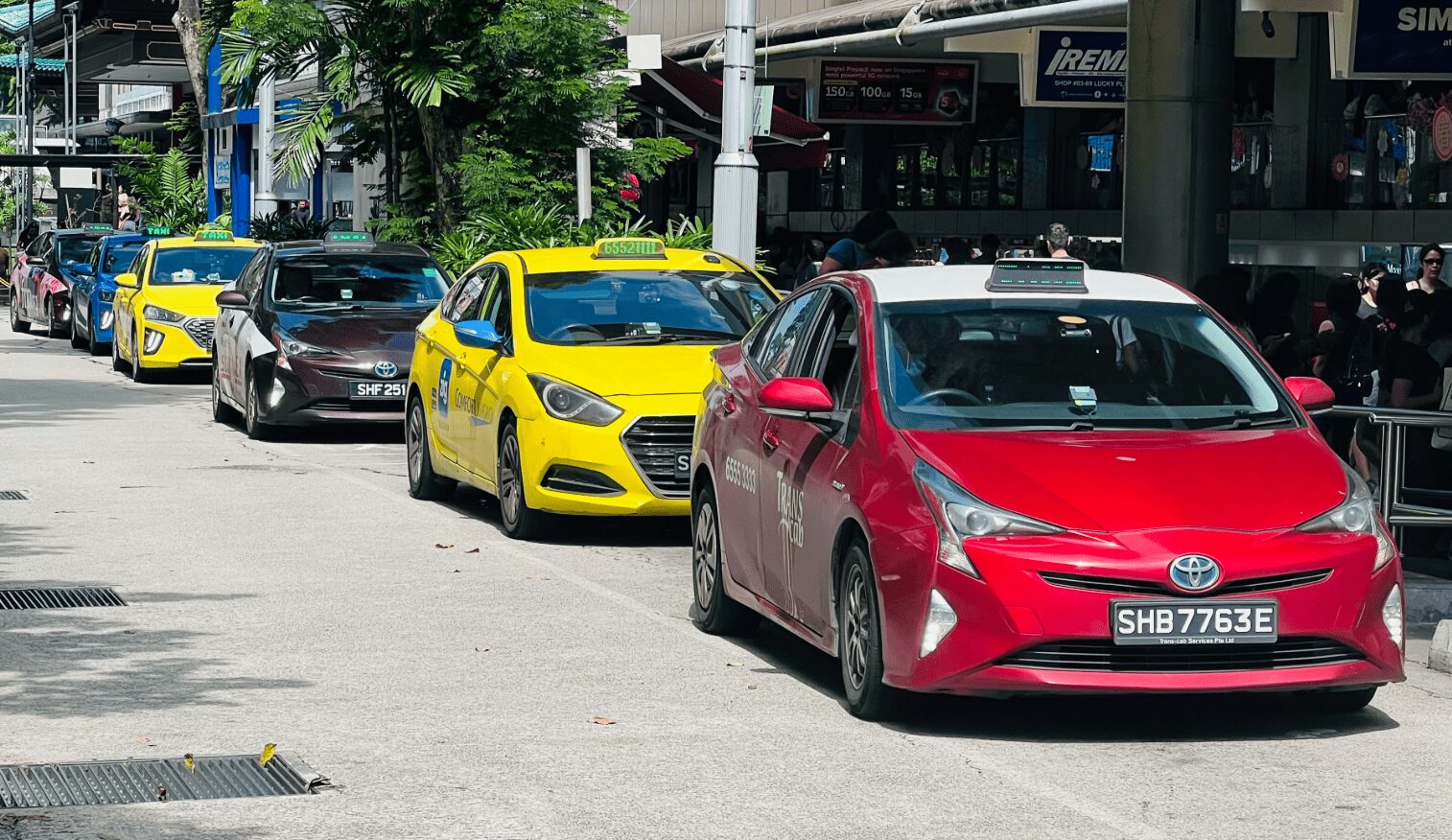
- Avoid car ownership and use public transportation
- Make full use of employer benefits and health insurance
Car ownership, in particular, is extremely costly due to taxes and certificates, making it unnecessary for most residents.
5. High Costs, but Predictable Spending
While Singapore’s cost of living is undeniably high, it is also highly predictable.
With excellent infrastructure, low crime rates, and stable pricing, unexpected expenses are relatively rare. This makes financial planning easier compared to many other major global cities.
Conclusion
As of 2026, a realistic monthly budget in Singapore is approximately 3,000–4,500 SGD for single residents and 8,000–11,000 SGD for families. Housing and education are the biggest cost drivers, while transportation and food expenses can be managed effectively.
Rather than focusing solely on whether Singapore is “expensive,” it is more important to consider whether the quality of life, safety, and global opportunities justify the cost. For those with clear goals and careful planning, Singapore offers a highly structured and rewarding living environment.