
Singapore’s Multicultural Society Explained: Differences Between Chinese, Malay, and Indian Cultures
Singapore is globally recognized as a multicultural nation where people of different ethnicities, religions, and traditions coexist harmoniously. The population is mainly composed of three ethnic groups—Chinese, Malay, and Indian—each preserving its unique cultural identity while contributing to Singapore’s social and economic development.
This article explains the characteristics of Singapore’s multicultural society, the key differences between the Chinese, Malay, and Indian communities, and how this diversity shapes daily life. It is useful for travelers as well as those considering long-term stays or relocation.
目次
1. Why Is Singapore a Multicultural Nation?
Singapore’s multicultural nature is deeply rooted in its history as a major trading port. From the 19th century onward, immigrants from China, the Malay Archipelago, and India arrived in large numbers, forming distinct communities.
Today, multiculturalism is a core national policy. The government actively promotes ethnic harmony, ensuring that different cultures, languages, and religions are respected and represented equally in society.
2. Chinese Culture in Singapore: The Largest Ethnic Group
The Chinese community makes up about 70% of Singapore’s population, making it the largest ethnic group. English and Mandarin Chinese are widely spoken, and Chinese New Year is the most important cultural celebration of the year.
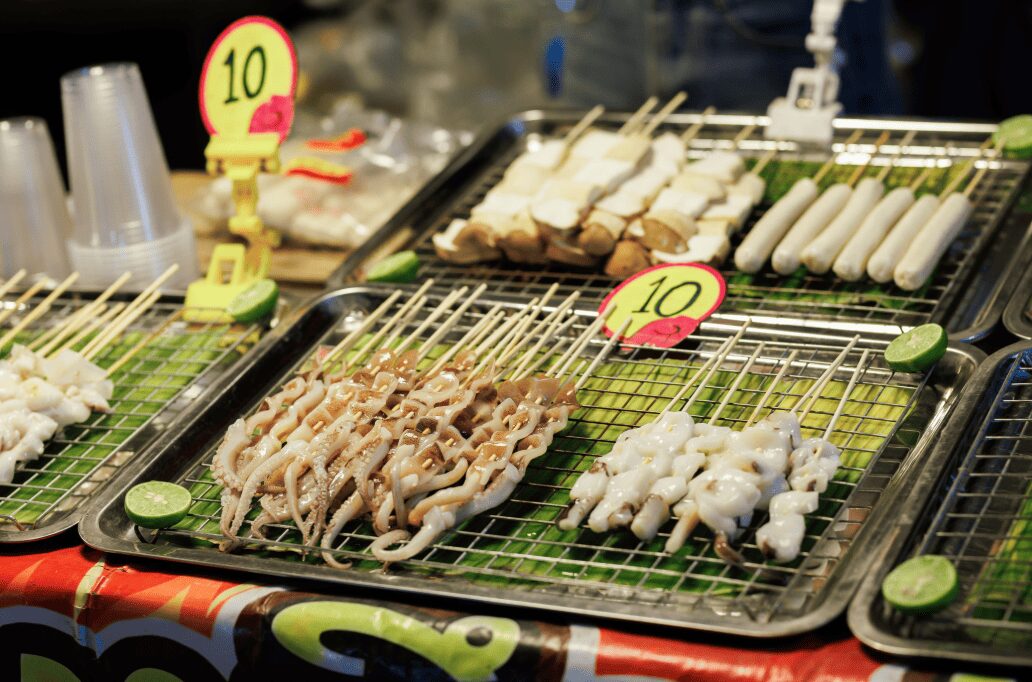
Chinese culture has a strong influence on Singapore’s food scene. Popular local dishes such as chicken rice and bak kut teh originate from Chinese culinary traditions. The Chinese community also plays a major role in business and finance, forming the backbone of Singapore’s economy.
3. Malay Culture: The Indigenous Roots of Singapore
The Malay community is considered the indigenous population of Singapore. Most Malays practice Islam, which strongly influences their lifestyle, customs, and food culture. Halal food is essential, with dishes like nasi lemak and satay being widely enjoyed across ethnic lines.
Religious practices such as Friday prayers and Ramadan are respected nationwide, and schools and workplaces often make accommodations. The Malay emphasis on community and harmony contributes significantly to Singapore’s social stability.
4. Indian Culture: Rich Traditions and Religious Diversity
Indians make up roughly 10% of Singapore’s population, with many belonging to the Tamil community. Hinduism is the most visible religion, though Islam, Sikhism, and Christianity are also practiced.
Little India is one of the most vibrant areas in Singapore, known for its colorful temples, spices, and traditional clothing. Deepavali, the Festival of Lights, is a major public holiday that transforms the city with festive decorations and celebrations.
5. How Multiculturalism Shapes Daily Life in Singapore
In Singapore, ethnic and religious diversity is seamlessly integrated into everyday life. Public holidays reflect major celebrations from each ethnic group, and schools emphasize intercultural understanding from an early age.
This environment fosters mutual respect and makes Singapore an exceptionally welcoming place for foreigners. Cultural diversity is not just tolerated—it is embraced as one of the nation’s greatest strengths.
Conclusion
Singapore’s multicultural society is built on the coexistence of Chinese, Malay, and Indian cultures, each maintaining its traditions while contributing to a shared national identity.
Rather than being a challenge, diversity is a defining advantage of Singapore. Understanding this multicultural foundation allows visitors and residents alike to appreciate the country on a deeper level and enjoy a richer, more meaningful experience in Singapore.