
New Year in Singapore: How a Multicultural Nation Celebrates the New Year
New Year celebrations in Singapore are quite different from those in Japan and many other countries. One of the most distinctive features is that Singapore celebrates two New Years: the Western New Year on January 1 and the Lunar New Year, widely known as Chinese New Year. Reflecting its multicultural society, Singapore’s New Year traditions combine modern celebrations with deep-rooted cultural customs. This article explains how New Year is celebrated in Singapore, how people spend the holidays, what the city looks like during this season, and useful tips for travelers.
目次
1. Singapore Celebrates Two New Years
Singapore’s New Year consists of two major celebrations: the Western New Year on January 1 and the Lunar New Year based on the traditional Chinese calendar.
January 1 is a public holiday, but unlike in Japan, there is no extended New Year period. In contrast, Chinese New Year is the most important holiday for the Chinese community, which makes up about 70% of the population. It is officially observed for two days and is often regarded as the “main” New Year in Singapore.
2. How January 1 Is Celebrated in Singapore
The Western New Year in Singapore is centered around countdown events and celebrations. The most famous takes place around Marina Bay, where large crowds gather to enjoy live performances and spectacular fireworks at midnight.
However, there are few traditional customs associated with January 1. Many shops, restaurants, and businesses reopen as early as January 2, making this period convenient for sightseeing. For travelers, it is a relatively calm time compared to the Lunar New Year season.
3. Key Features of Chinese New Year
Chinese New Year is deeply rooted in family values and wishes for prosperity. On New Year’s Eve, families gather for a reunion dinner, known as “reunion meal,” which is similar in significance to traditional New Year meals in Japan.
Common dishes include fish, symbolizing abundance, long noodles representing longevity, and Yu Sheng, a raw fish salad mixed together while shouting auspicious phrases to wish for success and good fortune in the coming year.
4. City Atmosphere and Events During New Year
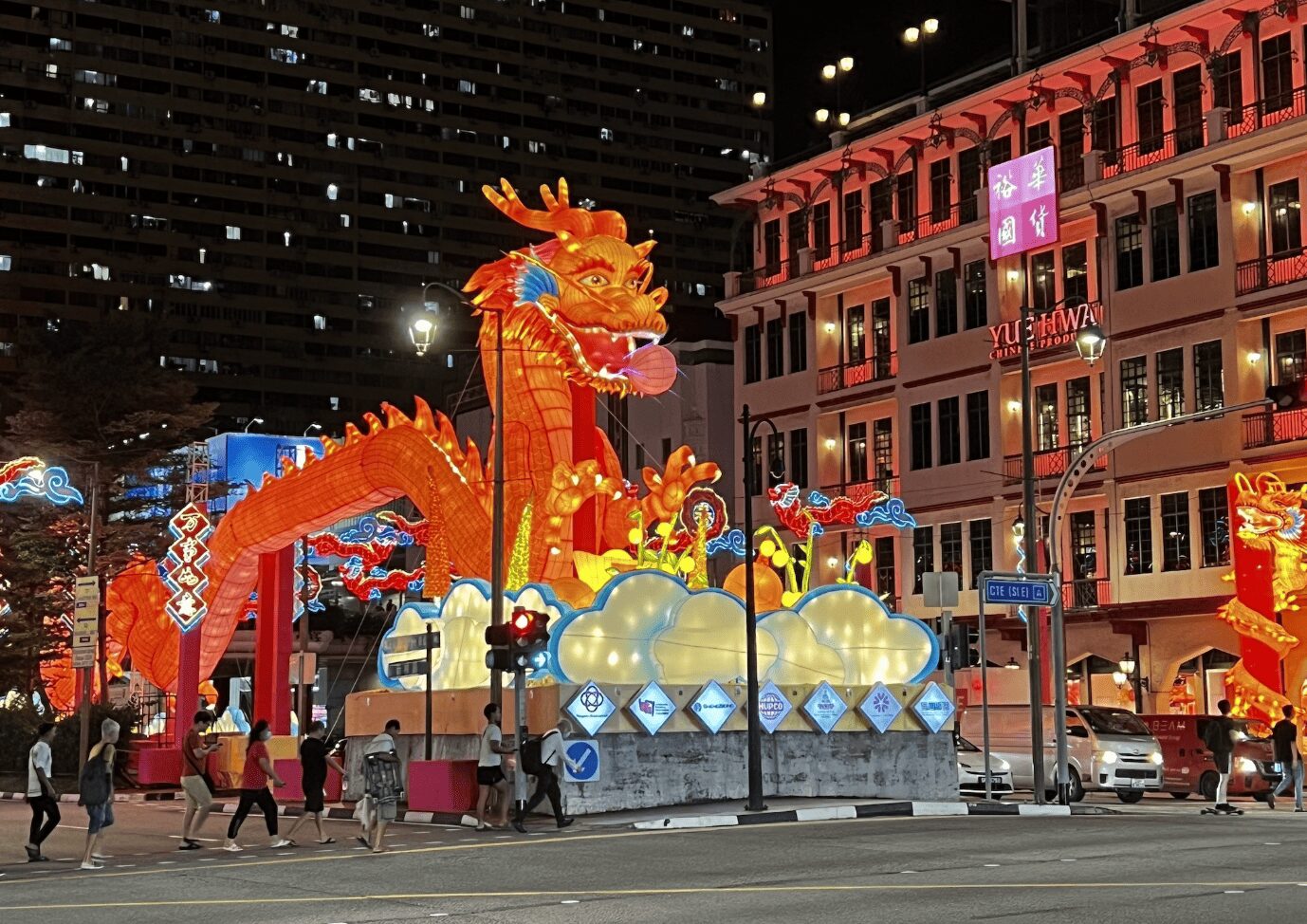
As Chinese New Year approaches, the entire city is decorated in red and gold, colors that symbolize luck and prosperity. Chinatown becomes especially lively, with lantern displays, festive markets, and traditional lion and dragon dances.
Shopping malls across the city also feature New Year-themed decorations and special sales, making this a popular season for shopping and photography. The festive atmosphere offers visitors a unique opportunity to experience Singapore’s cultural diversity.
5. Travel Tips and Things to Note
During the first day of Chinese New Year, some local restaurants and small businesses may close as families prioritize time together. Ride-hailing services and taxis may also be more expensive due to high demand.
On the positive side, public transportation usually operates as normal, so getting around the city remains easy. To enjoy the season smoothly, it is recommended to make restaurant reservations in advance and plan major outings from the second day of Chinese New Year onward.
Conclusion
New Year in Singapore is a fascinating blend of modern celebrations and traditional customs shaped by its multicultural society. While January 1 offers a lively yet simple start to the year, Chinese New Year provides a deeper cultural experience filled with family gatherings, festive food, and vibrant citywide celebrations. For travelers seeking a New Year experience different from Japan, Singapore’s New Year season is an excellent and memorable choice.
(Photo by Unsplash.com)